


Hair Fall vs Hair Breakage: How to Identify the Difference
October 19, 2026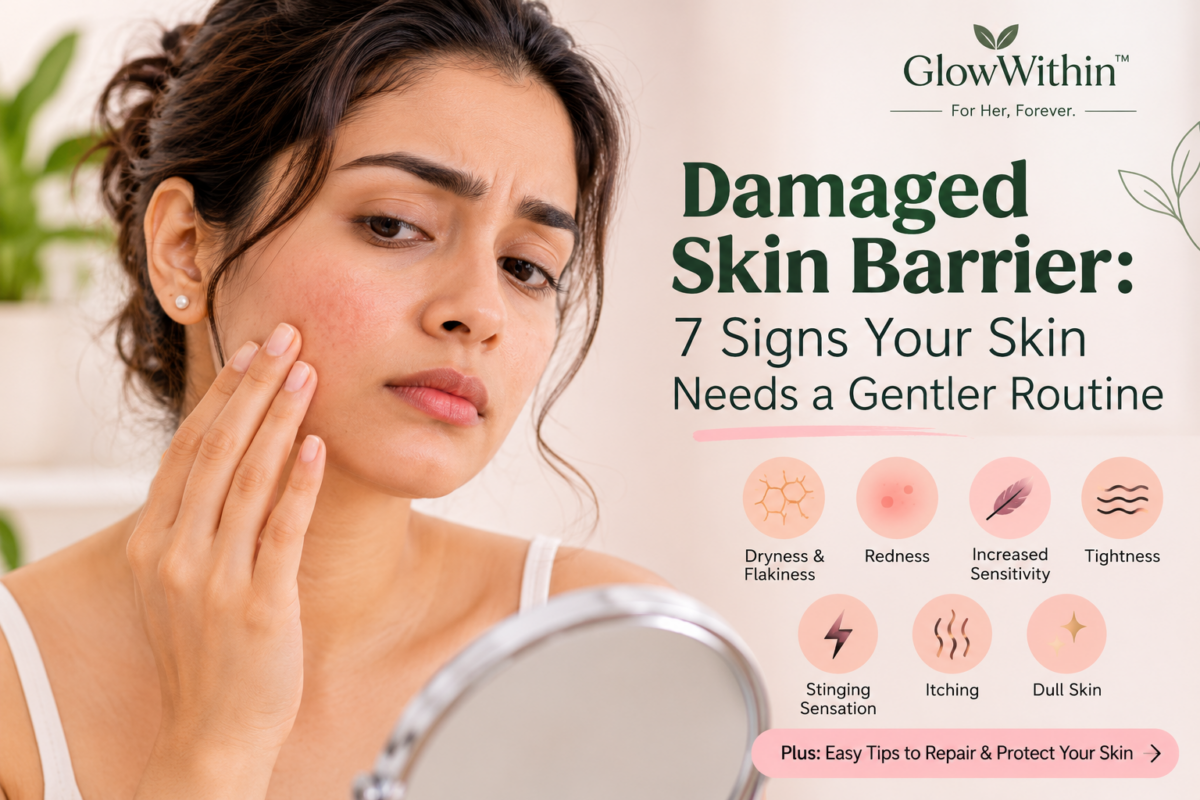
Your skin feels unusually tight after washing. Your favourite serum suddenly starts stinging. You notice dry patches, redness or flaky skin that does not seem to improve with your usual skincare routine.
These changes can be signs that your skin barrier needs extra care.
A healthy skin barrier helps retain moisture and protects your skin from external irritants. When this protective layer becomes disrupted, skin may feel dry, sensitive or uncomfortable. Over-exfoliation, harsh cleansers and using too many active skincare ingredients can contribute to irritation.
The good news? A simpler, gentler skincare routine can help support your skin barrier while it recovers.
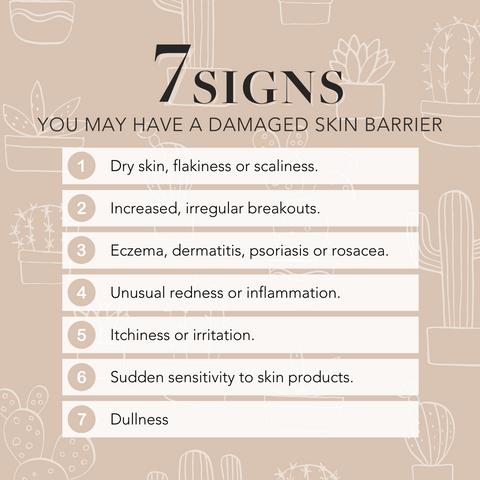
In this guide, we’ll explore seven common signs of a damaged skin barrier, what may cause them, and how to build a gentle skin barrier repair routine.
What Is the Skin Barrier?
The skin barrier is the outermost protective layer of your skin, known as the stratum corneum. It helps keep moisture inside the skin while limiting the entry of potential irritants and other external substances.

Think of it as a protective shield. When this barrier functions well, your skin is better able to maintain hydration and protect itself from everyday environmental stressors.
However, excessive cleansing, aggressive exfoliation, unsuitable skincare products and certain skin conditions can weaken its protective function.
A disrupted skin barrier may leave your skin feeling dry, tight, rough or more sensitive than usual. These symptoms can have other causes, too, so they should not be treated as a definite diagnosis.
7 Signs of a Damaged Skin Barrier
1. Your Skin Feels Tight After Cleansing
Does your face feel stretched or uncomfortable immediately after washing it?
Persistent tightness after cleansing may indicate that your skin is losing moisture or that your cleanser is too harsh for your skin type.
A cleanser that leaves your skin feeling extremely dry or squeaky clean may not be the best choice for everyday use.
What to do: Choose a gentle cleanser, use lukewarm water and avoid washing your face more often than necessary. Pat your skin dry rather than rubbing it with a towel.
2. You Notice Dryness, Flaking or Rough Patches
When your skin struggles to retain moisture, it may appear dull, rough or flaky. Makeup may also settle unevenly over dry patches.
Dryness alone does not always mean your skin barrier is damaged. Weather changes, low humidity, certain medications and underlying skin conditions can also contribute.
What to do: Use a moisturiser that suits your skin and apply it after cleansing. Look for well-tolerated moisturising ingredients such as glycerin, hyaluronic acid or squalane. Ingredients that help reduce moisture loss may also be useful, depending on the formulation.
3. Your Skin Becomes More Sensitive Than Usual
If products you previously tolerated now cause discomfort, your skin may be irritated.
You might notice a burning, stinging or itching sensation when applying a serum, moisturiser or sunscreen.
However, new sensitivity can also result from an allergic reaction or another skin condition. Do not automatically assume that every reaction is caused by a damaged skin barrier.
What to do: Stop using products that trigger discomfort. Simplify your routine and avoid introducing multiple new products at once. If symptoms persist or worsen, consult a dermatologist.
4. Redness Appears More Frequently
Redness can occur when the skin becomes irritated. You may notice it after cleansing, applying skincare products or spending time in environmental conditions that your skin finds uncomfortable.
Persistent redness can also be associated with conditions such as rosacea, eczema or contact dermatitis.
What to do: Avoid harsh scrubs, strong exfoliating products and other products that appear to trigger redness. Keep your routine gentle and seek professional advice if redness is persistent, painful or recurring.
5. Your Skin Starts Stinging When You Apply Skincare
A sudden stinging sensation when applying products is a sign to pay attention to.
This may happen after overusing exfoliating acids, retinoids or other active ingredients, particularly when several are introduced into a routine too quickly.
A product that repeatedly burns or causes discomfort should not be treated as something you need to tolerate for better results.
What to do: Pause products that cause stinging, especially strong exfoliants and other potentially irritating actives. Return to basic skincare that your skin tolerates comfortably.
If even simple products cause significant discomfort, seek advice from a dermatologist.
6. Your Skin Feels Itchy or Uncomfortable
Itching may accompany dryness or irritation, and repeated scratching can make the skin more uncomfortable.
However, itching is not specific to skin barrier damage. Allergies, eczema, infections and other conditions can cause similar symptoms.
What to do: Avoid scratching and discontinue any recently introduced product that seems to trigger the problem. If itching is persistent, severe or accompanied by swelling, a spreading rash or oozing, get medical advice.
7. Your Skin Looks Dull Despite Your Skincare Routine
When skin becomes dry or rough, it may appear less smooth and radiant. Makeup may look patchy, and adding more serums or exfoliating treatments may seem tempting.
But using more products is not always the answer. Too many active ingredients can increase irritation without addressing the underlying problem.
What to do: Focus on gentle cleansing, moisturising and daily sun protection. Give your skin time to respond before adding new products.
Remember, dullness has many possible causes. It is not, by itself, proof of a damaged skin barrier.
What Causes Skin Barrier Damage?
Several everyday habits may contribute to skin irritation and moisture loss.
- Over-exfoliation: Using scrubs, exfoliating acids or peeling products too frequently can irritate the skin.
- Harsh cleansers: Products that strip away too much of the skin’s natural oil can leave it feeling dry and tight.
- Too many active ingredients: Combining several potent ingredients or introducing them too quickly may increase irritation.
- Hot water: Very hot water and long showers can worsen dryness.
- Insufficient moisturising: Not using a suitable moisturiser may make it harder to manage moisture loss.
- Environmental conditions: Cold weather, low humidity, wind and other environmental stressors may aggravate dry skin.
- Underlying skin conditions: Eczema, rosacea and contact dermatitis can cause symptoms that resemble skin barrier damage.
Understanding the possible trigger is an important first step. If a skin condition or allergic reaction is responsible, changing your skincare routine alone may not be enough.
How to Repair a Damaged Skin Barrier: A Gentle Routine
If your skin feels irritated, resist the urge to add more treatments. Start by simplifying your routine and supporting your skin’s natural protective function.
Step 1: Use a Gentle Cleanser
Wash your face with lukewarm water and a mild cleanser that does not leave your skin feeling stripped.
Avoid rough washcloths, harsh scrubs and excessive cleansing. You do not need a strong foaming cleanser to achieve clean skin.
Step 2: Pause Products That Cause Irritation
Temporarily stop using products that cause burning, stinging or noticeable irritation.
Depending on your routine, this may include exfoliating acids, strong retinoid products, peeling treatments or fragranced products that your skin does not tolerate.
Do not stop prescribed treatment without consulting the healthcare professional who recommended it.
Step 3: Apply a Suitable Moisturiser
Moisturising helps reduce water loss and improve dry, uncomfortable skin.
Depending on your needs, you may look for ingredients such as:
- Glycerin: Helps attract and retain water in the outer skin.
- Hyaluronic acid: Helps bind water and support skin hydration.
- Squalane: An emollient that helps soften skin and improve its feel.
- Barrier-supporting lipids: Ingredients such as ceramides can help support the skin’s protective barrier.
No single ingredient guarantees barrier repair. The overall formulation, your skin type and how well you tolerate the product all matter.
Step 4: Protect Your Skin From the Sun
Sun exposure can aggravate some skin concerns and contribute to long-term skin damage.
Use a broad-spectrum sunscreen with SPF 30 or higher during the day, choosing a formulation your skin tolerates. Apply it as directed and reapply when needed, especially after swimming, sweating or extended outdoor exposure.
If sunscreen stings, try a different suitable formulation rather than repeatedly using a product that causes discomfort.
Step 5: Keep Your Routine Simple
A basic routine is often easier to manage when your skin is irritated.
Morning
- Gentle cleansing, or a water rinse if appropriate for your skin.
- A moisturiser your skin tolerates.
- Broad-spectrum sunscreen.
Evening
- Gentle cleanser.
- Moisturiser.
Avoid adding several new products while your skin is uncomfortable. Once your skin has settled, you can consider reintroducing optional skincare products gradually, one at a time.
Step 6: Give Your Skin Time
Skin recovery varies depending on the cause and severity of the irritation. Mild irritation may improve after removing the trigger, while persistent symptoms may need professional treatment.
There is no universal timeline for skin barrier recovery. Avoid judging progress by a fixed number of days or expecting an overnight transformation.
If your skin does not improve, symptoms keep returning or the irritation is significant, consult a dermatologist.
Common Skin Barrier Repair Mistakes to Avoid
When your skin feels uncomfortable, it is easy to make your routine more complicated. Try to avoid these common mistakes:
- Exfoliating more frequently: Scrubbing away flakes can increase irritation.
- Using too many serums: Layering multiple active ingredients may make it harder to identify the cause of a reaction.
- Ignoring persistent stinging: Burning or discomfort is not proof that a product is working.
- Changing every product at once: This makes it difficult to identify which product helps or causes irritation.
- Skipping moisturiser because your skin is oily: Oily skin can still experience dehydration or irritation. Choose a suitable formulation instead.
- Expecting instant results: Skin needs time, and persistent symptoms may require medical assessment.
A gentle routine is not about using the fewest products at all costs. It is about choosing products that meet your skin’s needs without causing unnecessary irritation.
How to Choose Skincare Products When Your Skin Is Sensitive
When choosing products during a period of irritation, pay attention to how your skin responds rather than relying on marketing claims alone.
Look for products that:
- Suit your skin type and current concerns.
- Provide hydration without causing discomfort.
- Have clear ingredient information and usage instructions.
- Do not contain ingredients that you know trigger a reaction.
- Can be introduced individually so that you can monitor tolerance.
A product labelled “natural,” “gentle” or “for sensitive skin” is not guaranteed to suit everyone. Even commonly used skincare ingredients can cause reactions in some individuals.
Patch-test new products according to the product instructions, and discontinue use if irritation develops. A home patch test does not rule out every possible reaction.
Frequently Asked Questions About a Damaged Skin Barrier
1. How do I know if my skin barrier is damaged?
Common warning signs include persistent dryness, flaking, tightness, increased sensitivity, redness and stinging when applying skincare products. These symptoms can have other causes, so persistent or severe problems should be assessed by a dermatologist.
2. How long does it take to repair a damaged skin barrier?
There is no fixed recovery period. Mild irritation may improve after the triggering product or habit is removed, while more severe or persistent conditions can take longer and may require treatment.
3. Can I use vitamin C or retinol if my skin barrier is damaged?
If your skin is actively irritated, it is sensible to pause products that cause stinging or worsen symptoms. Vitamin C formulations and retinoids can irritate some people, especially when used too frequently or introduced too quickly. Ask a dermatologist if you are unsure when to restart them.
4. Is hyaluronic acid good for skin barrier support?
Hyaluronic acid is a humectant that helps attract and retain water in the skin. It can support hydration, but it does not independently resolve every cause of skin barrier disruption. Pairing hydration with a suitable moisturiser may help reduce moisture loss.
5. Can oily skin have a damaged skin barrier?
Yes. Oily skin can also experience irritation, dryness or impaired barrier function. Avoid assuming that oiliness means your skin does not need moisturising. Choose products according to your skin’s needs and tolerance.
6. Should I stop my entire skincare routine if my skin is irritated?
Not necessarily. You can often simplify your routine to a gentle cleanser, a moisturiser you tolerate and sunscreen during the day. Stop products that trigger discomfort and seek professional advice if symptoms are persistent or significant.
Final Thoughts: Let Your Skin Guide Your Routine
Your skin does not always need another serum, exfoliant or intensive treatment. Sometimes, the more helpful approach is to recognise signs of irritation, simplify your routine and focus on gentle cleansing, hydration and sun protection.
A healthy-looking complexion starts with understanding your skin’s needs and choosing products thoughtfully. Be patient, introduce changes gradually and seek professional advice when symptoms persist.
At GlowWithin™, we believe skincare should be guided by thoughtful care, informed choices and respect for every woman’s individual needs.
For Her, Forever.
Disclaimer: This article is for general educational purposes only and is not a substitute for professional medical advice, diagnosis or treatment. Skin symptoms may have different causes. Consult a qualified dermatologist for persistent, severe or worsening symptoms.