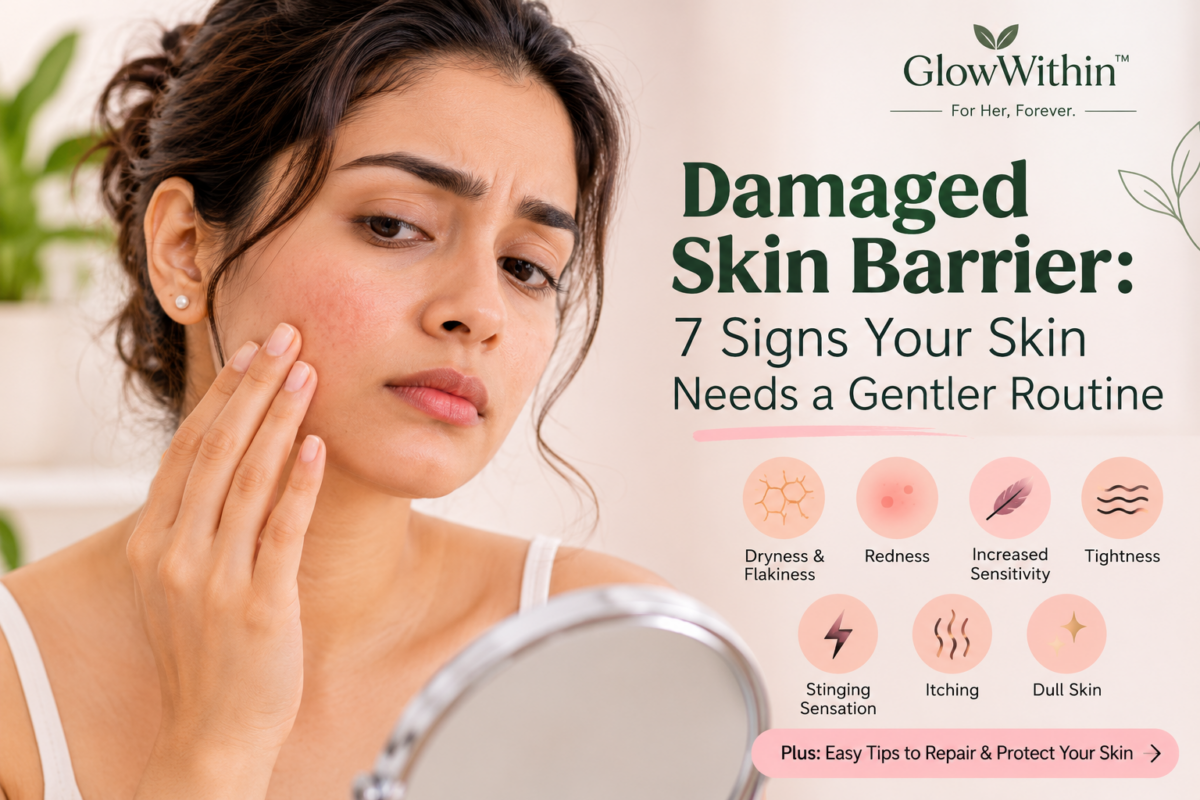


Damaged Skin Barrier: 7 Signs Your Skin Needs a Gentler Routine
October 19, 2026
Gel Moisturizer vs Cream: Which Is Better for Indian Weather?
October 19, 2026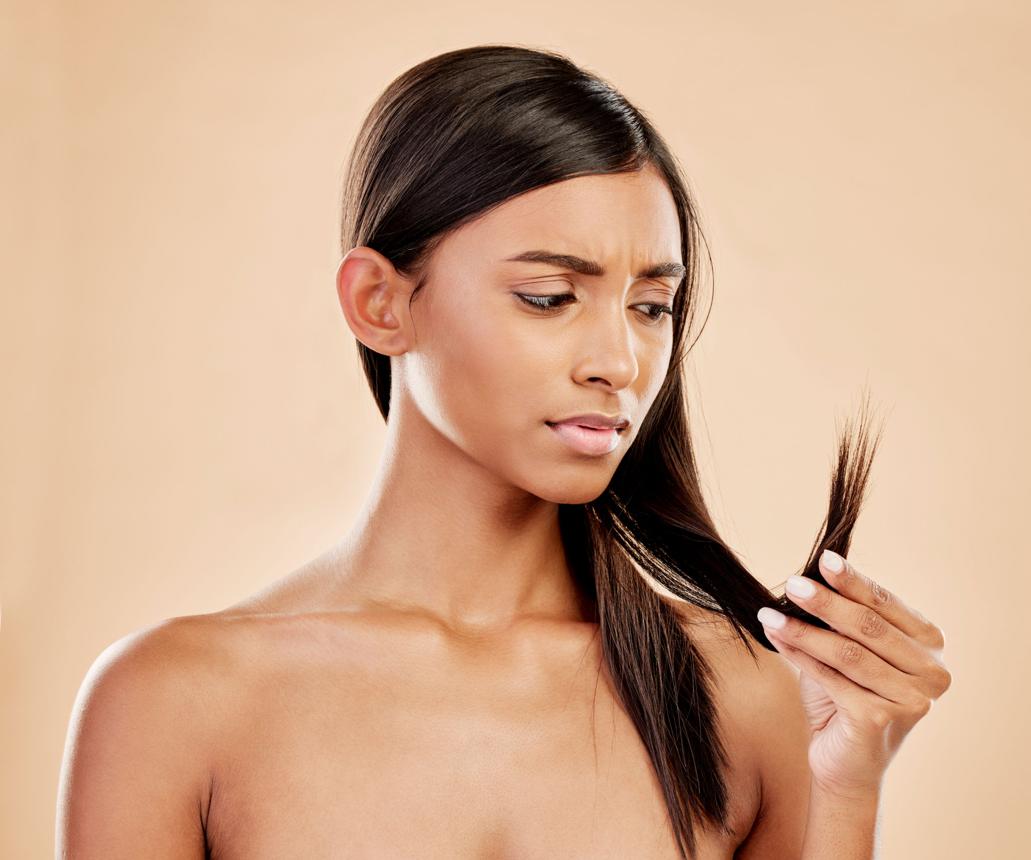
Finding extra hair on your hairbrush, pillow or bathroom floor can be worrying. But before changing your entire hair-care routine, it helps to understand one important thing: hair fall and hair breakage are not the same.
Hair fall usually refers to hair shedding from the scalp, while hair breakage happens when the hair shaft snaps somewhere along its length. Both can make your hair look thinner or less healthy, but their causes and care approaches may be different.
Understanding the difference between hair fall vs hair breakage can help you identify possible triggers, make better hair-care choices and recognise when professional advice may be needed.
In this guide, we’ll explain the signs of each, common causes and simple ways to care for your scalp and hair.
What Is Hair Fall?
Hair fall, also called hair shedding, occurs when hair strands naturally leave the scalp as part of the hair growth cycle.
It is normal to shed some hair every day. However, noticeable changes in shedding, visible thinning or a widening parting may indicate an underlying concern.
Hair shedding can be influenced by several factors, including genetics, hormonal changes, stress, nutritional deficiencies, certain illnesses, medications and scalp conditions.
Common signs of hair fall
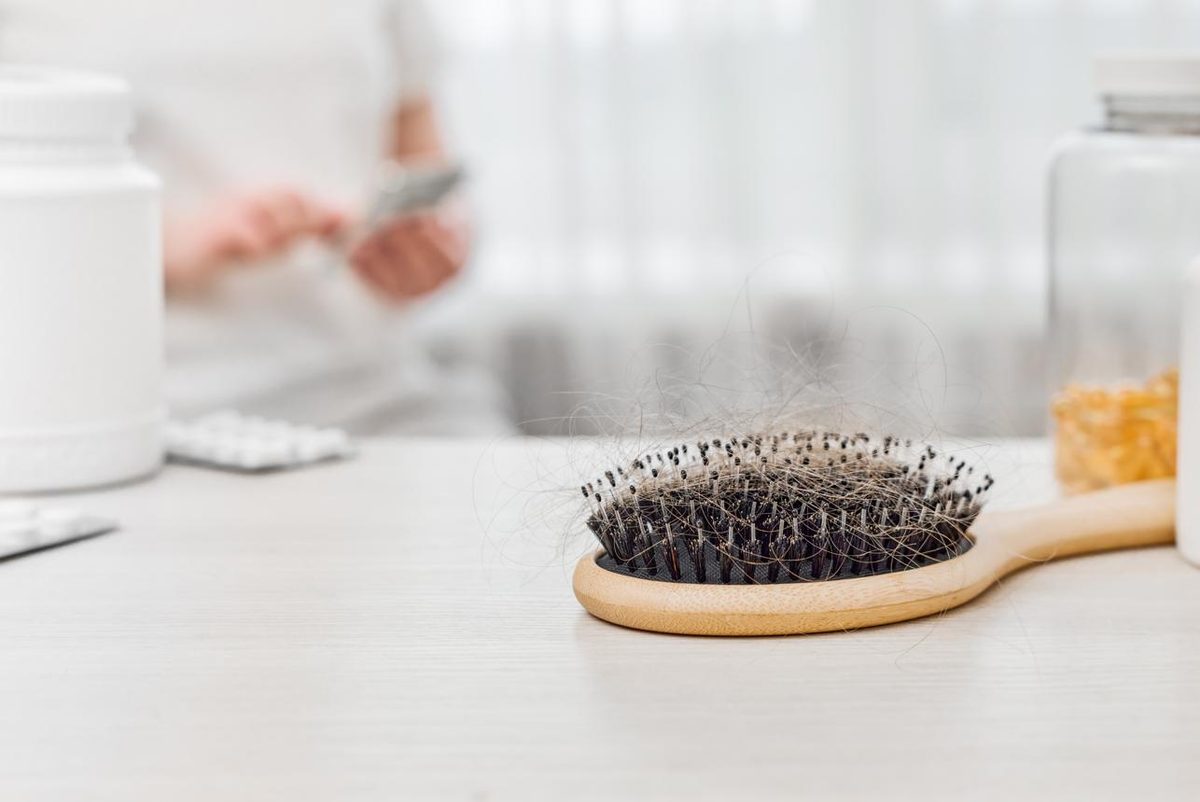
- You notice more full-length strands on your pillow, brush or in the shower.
- Your hair appears less dense over time.
- Your parting looks wider than before.
- You notice increased shedding across different areas of your scalp.
- You experience sudden or unusual hair loss.
A small bulb-like structure may sometimes be visible at the end of a shed hair. This can be part of normal shedding and does not mean the entire hair follicle has come out.
Important: Sudden, excessive or persistent shedding should not be dismissed as a routine hair-care problem.
What Is Hair Breakage?
Hair breakage happens when the hair shaft becomes weak and snaps. Instead of shedding from the root, the strand breaks somewhere along its length.
Hair can become more vulnerable to breakage through repeated heat styling, chemical treatments, rough brushing, friction, excessive tension from hairstyles or other forms of damage.
Dryness can also make hair feel rough and difficult to manage, although dry hair does not always mean that breakage is occurring.
Common signs of hair breakage
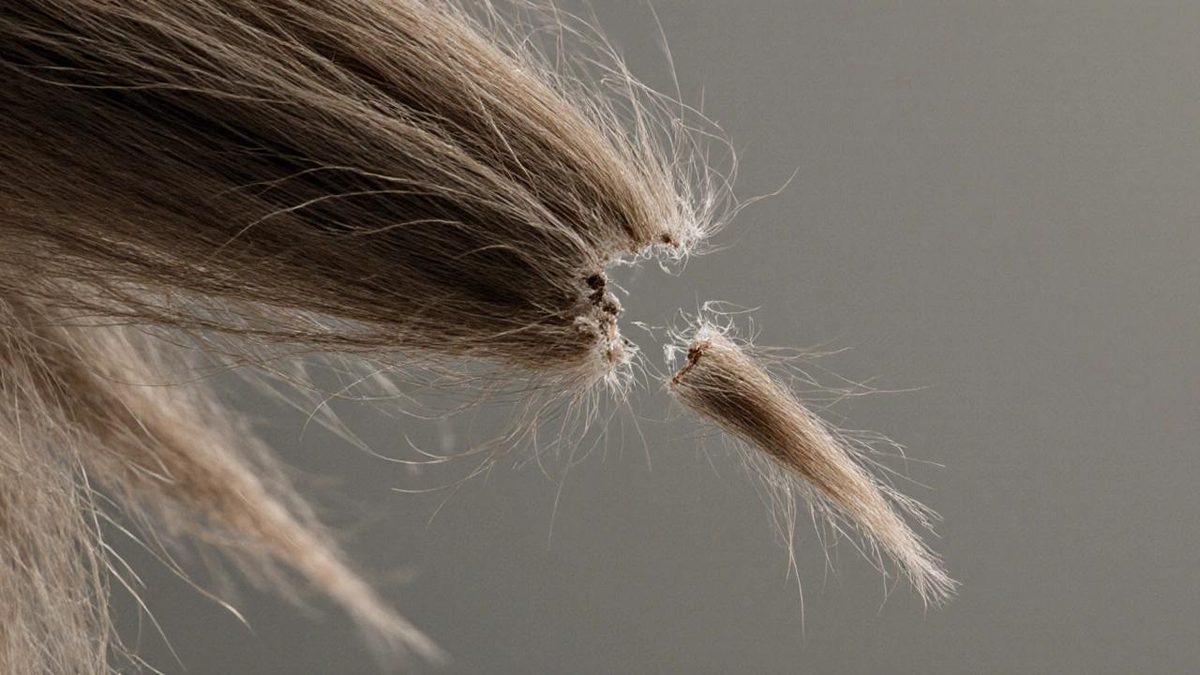
- You find many short strands of different lengths.
- Your hair has frayed or split ends.
- Your ends feel rough and look uneven.
- You notice flyaways or shorter broken strands around areas exposed to styling.
- Your hair snaps more easily while brushing or detangling.
Unlike a shed strand, a broken strand usually has no root bulb at its end. However, examining a single strand is not always enough to determine the cause of hair loss.
Hair Fall vs Hair Breakage: What’s the Difference?
| Feature | Hair fall | Hair breakage |
|---|---|---|
| What happens? | Hair sheds from the scalp | The hair shaft snaps |
| Strand appearance | Often a longer strand | Often a shorter strand |
| End of the strand | May have a small club-shaped root end | Usually has a broken or uneven end |
| Common contributing factors | Genetics, hormonal changes, illness, stress or nutritional issues | Heat, chemical processing, friction, tension or rough handling |
| What you may notice | Increased shedding or reduced density | Split ends, uneven lengths or damaged strands |
| Approach to care | Identify and address the cause of shedding | Reduce damage and handle hair gently |
These are general clues, not a diagnostic test. Hair fall and breakage can happen at the same time, and a dermatologist or qualified healthcare professional can help identify the cause when the problem is persistent.
How to Tell Whether Your Hair Is Falling or Breaking
If you are unsure which issue you are experiencing, start by observing your hair over time rather than relying on one strand.
1. Look at the length of the strands
Long strands found during washing or brushing may be shed hairs, especially if they have a club-shaped root end.
Short, uneven strands may suggest breakage, particularly when you also notice split ends or roughness.
Remember that naturally short hair and layered haircuts can make this comparison less straightforward.
2. Check your hair ends
Look for split ends, fraying or strands that appear snapped at different points.
These signs can suggest damage to the hair shaft. Avoid repeatedly pulling or stretching strands to test their strength, as this may cause further damage.
3. Observe changes in hair density
If your parting is becoming wider, your scalp is increasingly visible or your overall hair density seems to be decreasing, it is worth seeking professional advice.
Hair breakage can also make hair look thinner, so visible changes alone cannot confirm the cause.
4. Think about recent changes in your routine
Have you recently started frequent heat styling, colouring, chemical straightening or tight hairstyles? These habits may contribute to breakage.
Have you experienced a significant illness, major stress, dietary changes or a new medication? These may be relevant to shedding.
Do not stop prescribed medication on your own. Discuss possible side effects with your healthcare professional.
What Causes Hair Fall?
Hair shedding can have several causes, and the appropriate approach depends on the underlying reason.
Genetics and hormonal changes: Some types of hair thinning are hereditary or influenced by hormonal changes.
Stress or illness: Significant physical or emotional stress and certain illnesses can trigger increased shedding in some people, sometimes with a delay.
Nutritional deficiencies: Inadequate nutrition or deficiencies involving nutrients such as iron may contribute to hair loss.
Scalp conditions: Inflammation and certain scalp disorders can affect healthy hair growth.
Medications and medical conditions: Some treatments and health conditions may contribute to hair loss.
If your shedding is excessive, sudden, persistent or accompanied by scalp discomfort, consult a dermatologist. They can assess the pattern and determine whether further examination or tests are needed.
What Causes Hair Breakage?
Hair breakage is often linked to damage that weakens the hair shaft.
- Excessive heat styling: Frequent use of straighteners, curling irons and high-heat dryers can damage hair.
- Chemical processing: Bleaching, colouring, relaxing and straightening may weaken strands, particularly when treatments are repeated.
- Rough brushing: Forceful brushing or detangling, especially when hair is tangled, can cause snapping.
- Tight hairstyles: Repeated tension from tight ponytails, braids or extensions can damage hair and may also contribute to traction-related hair loss.
- Friction: Rubbing hair aggressively with a towel or repeated friction can contribute to damage.
- Poor hair-care practices: Using unsuitable products or handling fragile hair roughly may make breakage more likely.
The best first step is to identify and reduce the habits that may be contributing to the damage.
7 Simple Hair-Care Tips to Help Reduce Breakage
1. Handle Wet Hair Gently
Wet hair can be more vulnerable to damage during handling. Gently squeeze out excess water with a soft towel instead of rubbing vigorously.
Use a suitable wide-tooth comb and work through tangles carefully, starting near the ends.
2. Reduce Excessive Heat Styling
Give your hair regular breaks from high-heat styling. When using a heat tool, choose a suitable temperature and follow the device and heat-protectant product instructions.
Avoid repeatedly passing a hot tool over the same section.
3. Avoid Tight Hairstyles
Choose hairstyles that do not create persistent pulling or discomfort around your scalp and hairline.
If a style causes pain or repeated tension, loosen or change it. Persistent tension can contribute to hair loss as well as breakage.
4. Choose a Suitable Shampoo and Conditioner
Use products suited to your scalp and hair type. A gentle shampoo can help cleanse the scalp, while conditioner can improve manageability and reduce friction during detangling.
If your scalp is oily, you may need to wash it more frequently than someone with a dry scalp. Choose a routine based on your needs rather than a universal washing schedule.
5. Nourish Your Hair With a Balanced Diet
Hair health is supported by adequate nutrition. Include a varied diet with sufficient protein, iron and other essential nutrients.
Avoid starting high-dose supplements without advice. Supplements are not a universal solution for hair shedding, and unnecessary supplementation may be harmful.
6. Keep Your Hair-Care Routine Consistent
Frequent product changes and harsh treatments can make it difficult to identify what works for your hair.
Choose products according to your needs, introduce changes gradually and pay attention to how your scalp and hair respond.
7. Seek Help When Hair Loss Persists
Hair oils, serums and cosmetic products may help with hair conditioning or manageability, but they cannot treat every cause of hair loss.
If you notice bald patches, sudden shedding, scalp pain, inflammation or persistent thinning, consult a dermatologist rather than relying only on cosmetic hair-care products.
Can a Hair Serum Help With Hair Fall and Breakage?
A hair serum may help condition the hair, improve smoothness and support manageability, depending on its formulation. This can be useful when dryness, tangling or rough handling contributes to breakage.
However, a cosmetic hair serum should not be assumed to stop hair fall or treat the underlying causes of hair loss.
GlowWithin™ Nourishing Hair Serum features ingredients including Rice Bran Water, Amla, Bhringraj and Brahmi. It may be considered as part of a personal hair-care routine, provided the product is suitable for your scalp and hair and is used according to its label directions.
Before choosing a serum, review its ingredients and instructions, and discontinue use if irritation occurs.
If your primary concern is excessive shedding or visible thinning, identifying the cause is more important than adding another product to your routine.
Frequently Asked Questions
1. How can I tell the difference between hair fall and hair breakage?
Hair fall involves shedding from the scalp, while breakage happens when a strand snaps along its length. Longer shed strands and shorter broken strands can provide clues, but they are not a definitive diagnosis.
2. Is hair fall normal?
Some daily shedding is normal as part of the hair growth cycle. However, sudden or excessive shedding, bald patches or noticeable thinning should be assessed by a qualified professional.
3. Can hair breakage make my hair look thin?
Yes. Breakage can reduce the visible length and fullness of your hair, leaving uneven ends and shorter strands. It can occur alongside hair shedding.
4. Does oiling prevent hair fall?
Oiling may help lubricate or condition hair, depending on the oil and how it is used. However, it does not reliably prevent or treat every cause of hair loss. Avoid vigorous scalp massage if it causes discomfort or pulls on your hair.
5. Can a hair serum repair broken hair?
A conditioning serum may improve the feel, smoothness and manageability of damaged hair. However, a strand that has physically broken cannot be permanently restored to its original structure by a serum.
6. When should I see a dermatologist for hair loss?
Seek advice if you experience sudden or persistent shedding, visible thinning, bald patches, scalp pain, itching, inflammation or other concerning changes. Early assessment can help identify the cause and appropriate treatment.
Final Thoughts: Understand Your Hair Before Changing Your Routine
Hair fall and hair breakage may look similar at first, but they can have different causes. Observing the length and condition of your strands, reviewing recent hair-care habits and noticing changes in scalp or hair density can help you decide what to do next.
For breakage, focus on gentle handling, reducing excessive heat and chemical damage, and choosing suitable conditioning products. For persistent shedding or thinning, seek professional advice to understand the underlying cause.
At GlowWithin™, we believe thoughtful hair care begins with understanding your needs and choosing your routine with care.
For Her, Forever.
Disclaimer: This article is for general educational purposes only and does not replace professional medical advice, diagnosis or treatment. Hair loss can have multiple causes. Consult a qualified dermatologist or healthcare professional for sudden, persistent or concerning symptoms.