

Hair Fall vs Hair Breakage: How to Identify the Difference
October 19, 2026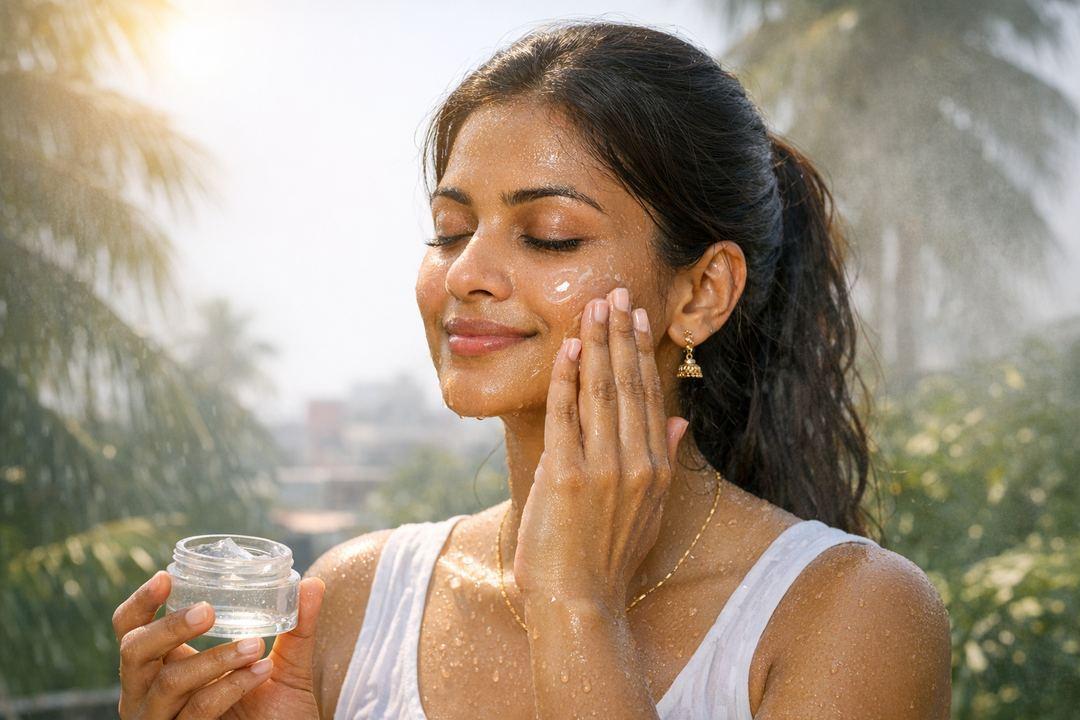
Choosing a moisturiser can feel confusing, especially when your skin feels oily during the day but dry or tight after cleansing. Add India’s changing weather, humidity and air-conditioned environments to the mix, and finding the right skincare product can become even more challenging.
Should you choose a lightweight gel moisturiser or a richer face cream?
The answer depends on your skin type, your skin’s hydration needs, the product’s formulation and the weather you experience. A gel moisturiser may feel comfortable in hot, humid conditions, while a cream may provide a richer moisturising experience when your skin feels dry.
In this guide, we’ll explore the difference between gel moisturiser vs cream, how to choose one for Indian weather, and how to build a simple moisturising routine.
What Is a Gel Moisturiser?
A gel moisturiser typically has a lightweight, water-based texture that spreads easily and often absorbs quickly. Many gel formulations feel fresh on the skin and leave less of a rich or oily finish than heavier creams.
However, not every gel moisturiser is oil-free, and not every gel is suitable for every skin type. The ingredients and overall formulation matter more than the product name alone.
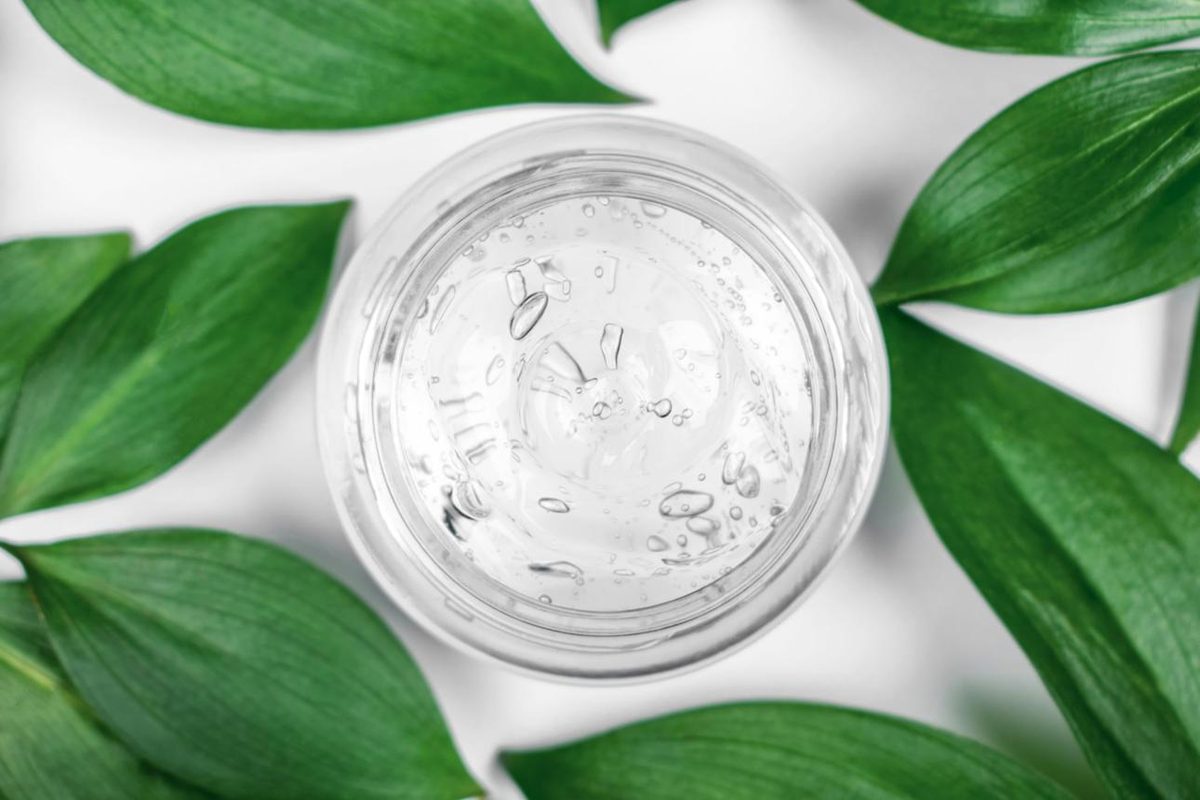
Benefits of a gel moisturiser
- Lightweight feel: Often comfortable for people who dislike heavy skincare textures.
- Easy application: Usually spreads smoothly and layers well with other skincare products.
- Hydration: Formulations containing ingredients such as glycerin or hyaluronic acid can help attract water to the outer skin.
- Comfort in humid conditions: Some people prefer a lighter texture when the weather feels hot and sticky.
- Suitable for many routines: A well-formulated gel moisturiser can work for oily, combination or normal skin, depending on its ingredients.
Who may prefer a gel moisturiser?
You may prefer a gel moisturiser if your skin tends to feel oily, you live in a humid climate or you dislike the sensation of a rich cream.
That said, oily skin can still experience dehydration or irritation. If a lightweight gel does not provide enough moisture, you may need a more nourishing formulation.
What Is a Face Cream?
A face cream generally has a richer texture than a typical gel moisturiser. Many creams contain a combination of water, oils, emollients and ingredients that help reduce moisture loss.
The result can be a softer, more moisturised feeling, particularly for skin that becomes dry or uncomfortable.
Creams vary considerably. Some are lightweight and suitable for daytime use, while others are richer and designed for dry skin or nighttime routines.
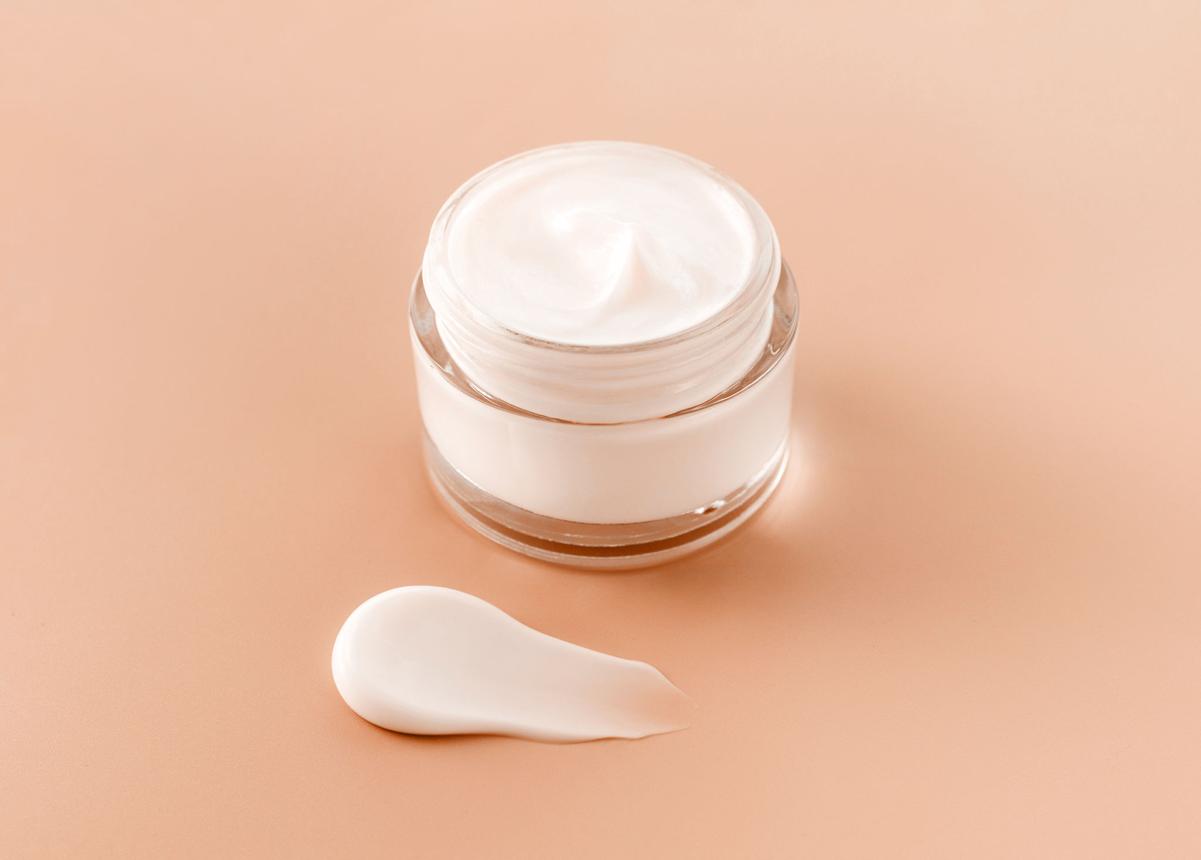
Benefits of a face cream
- Moisture retention: Depending on its ingredients, a cream can help reduce water loss from the skin.
- Softness: Emollients can smooth the skin’s surface and improve its feel.
- Comfort for dry skin: Richer formulations may be helpful when skin feels rough, tight or flaky.
- Flexible use: Some creams work well during the day, while others are more suitable for nighttime use.
- Support for skin comfort: A suitable moisturiser can help manage dryness and support the skin’s protective barrier.
Who may prefer a face cream?
A face cream may be a good choice if your skin is dry, feels tight after cleansing or needs more lasting moisturisation.
If you have oily or acne-prone skin, you do not necessarily need to avoid creams. Look for a formulation that suits your skin and does not cause unwanted congestion or irritation.
Gel Moisturizer vs Cream: Key Differences
| Feature | Gel moisturiser | Face cream |
|---|---|---|
| Texture | Usually lightweight and gel-like | Usually richer or creamier |
| Skin feel | Often fresh and less heavy | Often softer and more nourishing |
| Best suited to | People who prefer lightweight hydration | People who need richer moisturisation |
| Humid weather | May feel more comfortable for some people | Can also work if the formulation feels comfortable |
| Dry weather | May need layering if hydration is insufficient | May help manage dryness more effectively |
| Oily skin | Often a preferred texture | Suitable options are available |
| Dry skin | Can work if sufficiently moisturising | Often a useful option |
| Main consideration | Whether it provides enough moisture | Whether the richness suits your skin |
These are general tendencies rather than strict rules. A well-formulated gel can moisturise effectively, and a lightweight cream may be comfortable even in warm weather.
Which Moisturiser Is Better for Indian Weather?
India experiences a wide range of climates, from humid coastal regions to dry inland areas and colder northern winters. Even within one city, your skin may feel different during the monsoon, summer and winter.
Instead of choosing a moisturiser based on the season alone, consider how your skin behaves in your local climate.
1. Hot and Humid Weather
During humid weather, some people find that thick skincare products feel sticky or uncomfortable.
A lightweight gel moisturiser may be a practical option, especially if your skin is oily or combination.
Look for a formulation that hydrates your skin without leaving an unpleasant finish. If your skin still feels tight or dry after application, consider a more moisturising product.
Tip: Apply a suitable moisturiser to clean skin and allow it to settle before layering sunscreen.
2. Hot and Dry Weather
Hot weather does not always mean your skin needs a very lightweight product. Dry air, sun exposure and frequent air-conditioning can leave skin feeling uncomfortable.
A gel moisturiser may work well for some people, but a cream containing suitable emollients may provide additional comfort if your skin feels dry.
Tip: Choose your moisturiser based on your skin’s condition rather than temperature alone. Use broad-spectrum sunscreen during the day.
3. Monsoon and High Humidity
During the monsoon, increased humidity may make richer products feel heavier for some people.
If your skin becomes oily or sweaty, a lightweight moisturiser may be more comfortable. However, you should continue moisturising if your skin needs it.
Tip: Avoid skipping moisturiser automatically because the weather is humid. Adjust the texture and amount to your skin’s needs.
4. Winter and Low Humidity
Cold weather, dry air and indoor heating can contribute to dryness and tightness.
If your skin becomes flaky or uncomfortable in winter, a richer cream may help reduce moisture loss. People with oily skin may still prefer a lightweight product, depending on how their skin responds.
Tip: Apply moisturiser after cleansing, while your skin is slightly damp, if that feels comfortable.
5. Air-Conditioned Environments
Spending long hours in air-conditioned offices, cars or indoor spaces can make some people’s skin feel dry.
You may need to adjust your routine even if the outdoor weather is humid.
Tip: Pay attention to persistent tightness or dryness. If your current gel moisturiser is not enough, consider a formulation that provides more lasting moisture.
How to Choose a Moisturiser for Your Skin Type
Your skin type is a useful starting point, but your current skin condition also matters.
For oily skin
Choose a moisturiser with a texture you find comfortable. A lightweight gel may be a good starting point, particularly if you dislike a greasy finish.
Look for clear ingredient information and avoid products that repeatedly cause congestion or irritation.
For dry skin
Consider a cream or a more nourishing moisturiser containing suitable humectants and emollients.
Ingredients such as glycerin, squalane and certain skin-compatible lipids can help improve moisture and softness, depending on the formulation.
For combination skin
If your T-zone becomes oily while your cheeks feel dry, a lightweight moisturiser may work across your face. You can adjust the amount applied to different areas according to their needs.
If one product cannot comfortably meet the needs of all areas, you may prefer different textures for different parts of your face.
For sensitive skin
Prioritise a formulation that your skin tolerates well. Avoid ingredients you know trigger a reaction, and be cautious when introducing several new products at once.
A product labelled “gentle” or “for sensitive skin” is not guaranteed to suit everyone. Patch-test new products according to their instructions and stop using them if irritation develops.
For normal skin
You have flexibility to choose based on texture, climate and personal preference. A gel may feel refreshing during humid months, while a cream may feel more comfortable when the weather becomes dry.
Ingredients to Look for in a Moisturiser
The texture tells you something about how a product may feel, but the ingredients help explain what it can do.
Hyaluronic Acid
Hyaluronic acid is a humectant that helps attract and retain water in the outer skin. It is commonly included in hydrating serums and moisturisers.
It can support skin hydration, but it does not replace the need for a suitable moisturiser that helps manage moisture loss.
Glycerin
Glycerin is a widely used humectant that helps draw water into the outer skin. It can be useful in both gel and cream formulations.
Squalane
Squalane is an emollient that helps soften the skin and improve its feel. It may be included in richer creams as well as some lightweight formulations.
Aloe Vera
Aloe vera is used in various skincare formulations for its skin-conditioning properties. How a product feels and performs depends on the complete formulation, not just the presence of aloe vera.
Centella Asiatica (CICA)
Centella asiatica is a skincare ingredient used in a range of cosmetic formulations. It is often included in products designed for skin comfort, but the effects depend on the formulation and individual tolerance.
Remember: No single ingredient guarantees that a moisturiser will suit your skin. Concentration, formulation, usage and individual sensitivity all matter.
How to Use a Moisturiser in Your Daily Skincare Routine
A simple, consistent routine can make moisturising easier.
Morning routine
- Cleanse: Use a gentle cleanser suited to your skin.
- Apply serum, if needed: Use a serum that fits your skin concerns and is comfortable for your skin.
- Moisturise: Apply a suitable gel moisturiser or cream.
- Protect: Finish with broad-spectrum sunscreen with SPF 30 or higher.
Evening routine
- Cleanse to remove dirt, sunscreen and makeup.
- Apply any treatment products that are suitable for your skin and that you tolerate well.
- Apply your moisturiser to help manage dryness and support skin comfort.
You do not need to use multiple serums to achieve a good routine. If your skin is irritated, simplify your skincare and pause products that cause discomfort.
Can You Switch Between a Gel Moisturiser and a Cream?
Yes. You can adjust your moisturiser according to your skin’s changing needs.
For example, you may prefer a lightweight gel during humid months and a cream when your skin feels drier in winter. You may also prefer different textures in the morning and evening.
There is no requirement to use the same texture throughout the year.
When changing products, introduce one new product at a time so you can observe how your skin responds. If a product causes persistent burning, redness or itching, stop using it and seek professional advice if symptoms continue.
Exploring GlowWithin™ Gel Based Face Cream
At GlowWithin™, we believe skincare should be guided by thoughtful choices and an understanding of individual skin needs.
Our Gel Based Face Cream is part of the GlowWithin skincare range. Its highlighted ingredients include hyaluronic acid, aloe vera, Centella asiatica (CICA), Rice Bran Water, squalane, glycerin and ethyl ascorbic acid.
These ingredients are used in cosmetic formulations for purposes such as hydration, skin conditioning and improving the feel of the skin. The benefits you experience will depend on the full formulation and your individual skin.
If you prefer a moisturiser with a gel-based texture, you can explore this product and review its ingredient list, directions and suitability before use.
Choose products based on your needs, and discontinue use if irritation occurs.
Frequently Asked Questions
1. Is a gel moisturiser better than a cream for Indian weather?
Not necessarily. A gel moisturiser may feel more comfortable in hot, humid weather, while a cream may be preferable when skin is dry. Your skin type, local climate and the product formulation all influence the choice.
2. Can oily skin use a face cream?
Yes. Oily skin can still need moisturising. Choose a cream with a texture and formulation that suits your skin, and stop using it if it repeatedly causes irritation or congestion.
3. Is a gel moisturiser enough for dry skin?
It can be, if the formulation provides sufficient moisture for your skin. If your skin remains tight, flaky or uncomfortable, consider a more nourishing moisturiser.
4. Should I use a gel moisturiser in summer and cream in winter?
You can, but it is not compulsory. Adjust your moisturiser according to how your skin feels and responds to changing weather.
5. Can I use a moisturiser every day?
Most people can use a suitable moisturiser daily as part of their skincare routine. Follow the product’s directions and choose a formulation appropriate for your skin.
6. Should I apply moisturiser before or after serum?
In a typical routine, apply a serum first and then moisturiser. Follow the specific product instructions, particularly if you use treatment products or products with special application directions.
Final Thoughts: Choose What Your Skin Needs
When comparing gel moisturiser vs cream, there is no single winner for everyone. A gel may offer the lightweight feel you prefer in humid weather, while a cream may provide the richer moisturisation your skin needs when it feels dry.
The best choice is one that fits your skin type, feels comfortable, supports hydration and does not cause irritation.
Listen to your skin, make changes gradually and keep your routine consistent. Thoughtful skincare is about choosing what works for you—not following a one-size-fits-all rule.
At GlowWithin™, we believe every woman deserves skincare that respects her individual needs.
For Her, Forever.
Disclaimer: This article is for general educational purposes only and is not a substitute for professional medical advice, diagnosis or treatment. If you experience persistent irritation or have a skin condition, consult a qualified dermatologist.